Renovation transforms your home’s look — but beneath the fresh paint and new tiles, hidden health hazards can linger long after the works are done. Many homeowners in Singapore overlook how construction dust, chemical fumes, and poor ventilation can affect their family’s well-being. Here are some of the most common risks you should know before, during, and after your renovation.
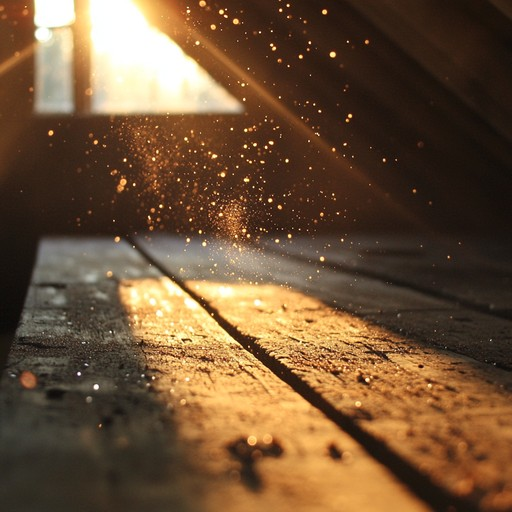
1. Dust and Fine Particles in the Air
Health impact: Dust from hacking, sanding, and drilling can contain fine particles (PM2.5) that irritate the eyes, nose, and throat. Prolonged exposure can worsen asthma or sinus conditions — especially in children or the elderly.
Why it happens: During renovation, debris and concrete dust easily travel to other rooms or even your neighbours’ units if not sealed properly.
Prevention tip: Ask your contractor to use proper dust control measures such as plastic sheeting, sealing doors, and daily cleanup. After renovation, schedule a post-renovation deep cleaning to remove hidden particles before moving in.
2. Volatile Organic Compounds (VOCs) and Chemical Fumes
Health impact: VOCs are chemicals released from paints, varnishes, adhesives, and new furniture. In enclosed spaces, they can cause headaches, dizziness, or nausea. Long-term exposure may even affect respiratory and liver health.
Why it happens: Many renovation materials are oil-based or synthetic, releasing fumes that take weeks to fully dissipate.
Prevention tip: Choose low-VOC or water-based paints and adhesives. After works are done, open all windows, switch on fans, and air out the house for at least a few days before moving in.
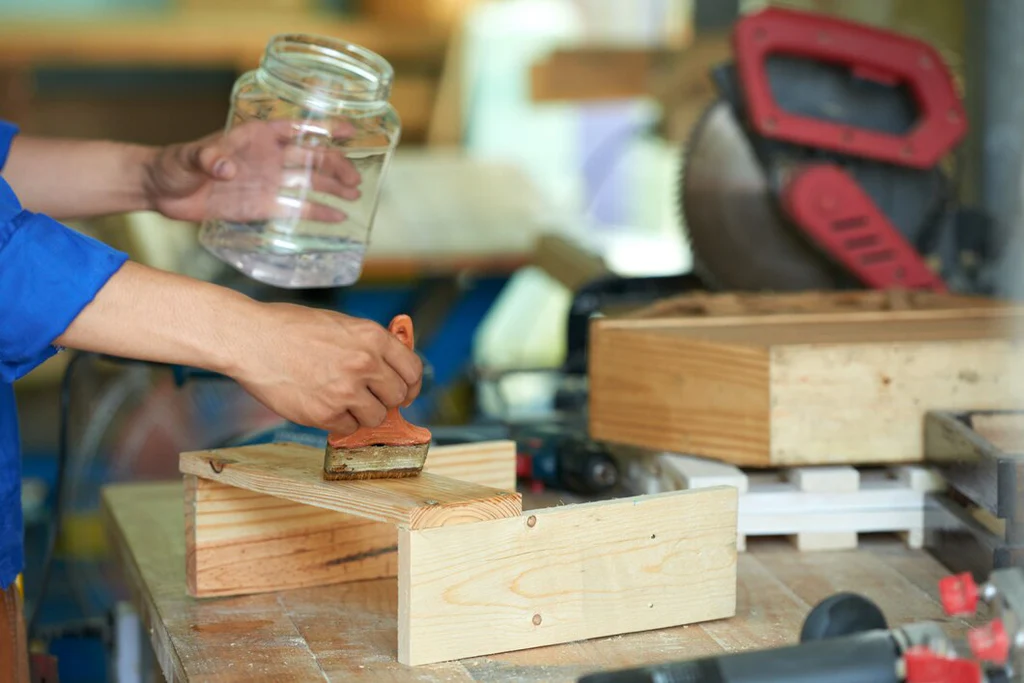
3. Formaldehyde Emissions from Furniture and Carpentry
Health impact: Formaldehyde — commonly found in plywood, laminates, and particle boards — is a known indoor pollutant. It can cause eye irritation, sore throat, and allergies.
Why it happens: Many built-in cabinets or wardrobes use composite wood bonded with formaldehyde-based glue. These can off-gas for months after installation.
Prevention tip: Request for E0 or E1-grade plywood (low formaldehyde) and ensure proper ventilation. You can also place air purifiers with HEPA and activated carbon filters to reduce lingering gases.
4. Poor Ventilation and Humidity Buildup
Health impact: Poorly ventilated homes trap dust, fumes, and moisture — a perfect recipe for mould and bacteria growth. This can trigger allergic reactions, sinus issues, and musty smells.
Why it happens: Renovation often alters airflow patterns, sealing windows or changing layouts that reduce natural ventilation.
Prevention tip: Plan for adequate ventilation when renovating — especially in kitchens and bathrooms. Use exhaust fans, install ventilation grilles, and run dehumidifiers in humid areas.
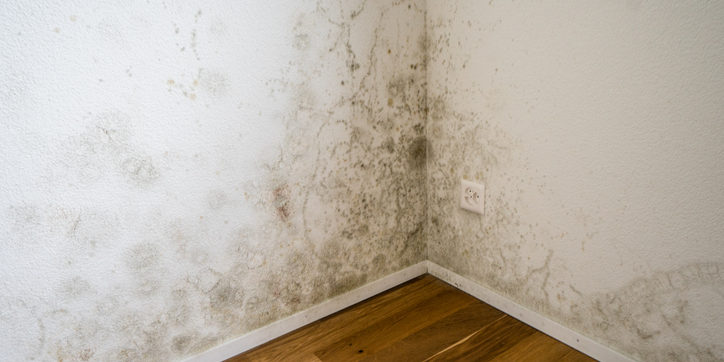
5. Mould and Dampness After Renovation
Health impact: Mould spores can cause coughing, skin irritation, or aggravate asthma.
Why it happens: Hidden leaks, poor waterproofing, or incomplete drying of newly plastered walls can trap moisture and lead to mould.
Prevention tip: Inspect all walls and ceilings for dampness before repainting. Ensure waterproofing works are done properly in bathrooms and balconies. Once mould appears, clean it immediately with safe cleaning agents or seek professional help.
6. Unsafe Flooring or Layout Changes
Health impact: Slippery floors, uneven surfaces, or poor lighting can increase the risk of falls — especially for children or elderly family members.
Why it happens: During renovation, design priorities sometimes overlook safety and accessibility.
Prevention tip: Choose anti-slip tiles, ensure even transitions between rooms, and add grab bars where needed. A safe design can be beautiful too.
7. Post-Renovation Residue and Cleaning Neglect
Health impact: Even after contractors pack up, fine dust often settles on fans, cabinets, and air-con vents. Breathing this in daily can cause irritation and discomfort.
Why it happens: A simple sweep or mop isn’t enough to remove microscopic dust particles from every surface.
Prevention tip: Always engage a professional post-renovation cleaning service before unpacking or moving in. They have industrial tools to remove dust, polish floors, and sanitise your new home safely.
💡 In Summary
Renovation should improve your living quality — not compromise it. By understanding these hidden health risks and taking preventive steps, you’ll ensure your newly renovated space isn’t just beautiful, but safe and comfortable for your entire family.
Renohandy can help you achieve that peace of mind with professional renovation and repair services designed for healthy, worry-free homes in Singapore.

